The purple wonder – my personal favorite
The Ultimate Guide to Eggplant
Nature’s Hearty, Nutrient-Packed Vegetable — Benefits, Selection, Storage, and Healthy Recipes
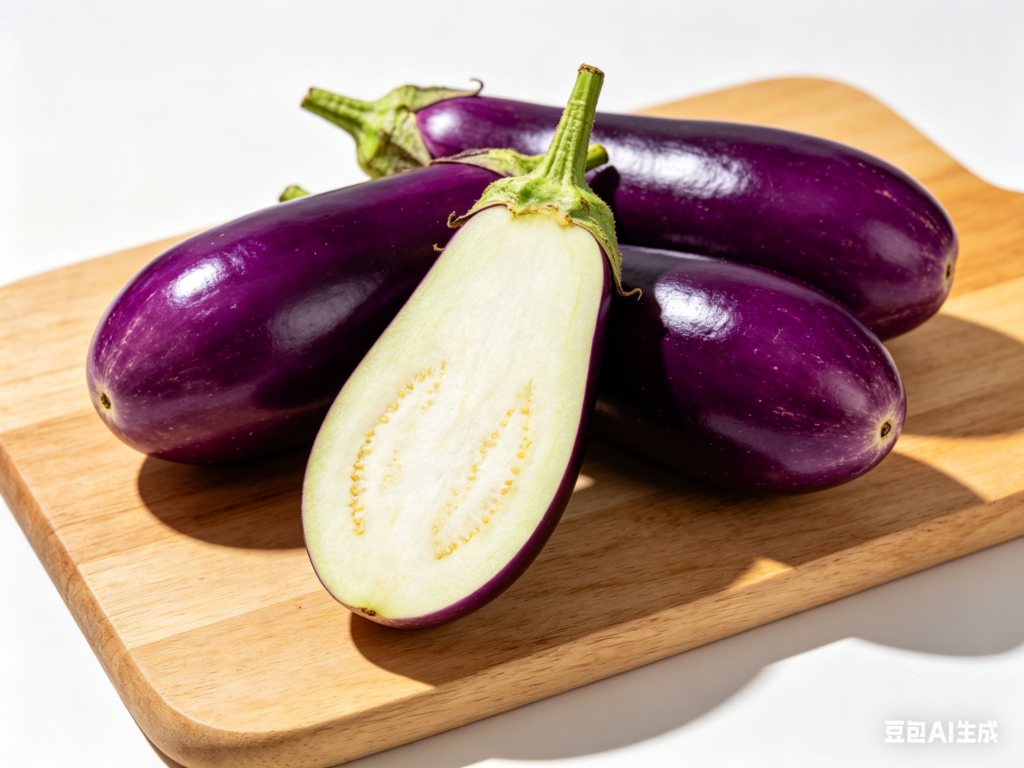
Eggplant, also known as aubergine, is one of the most satisfying, versatile, and underappreciated vegetables in the produce section. With its rich purple skin, meaty texture, and mild, earthy flavor, it works in everything from stir-fries and curries to roasted dishes, salads, and even low-carb substitutes.
While it’s not considered a “super-food” in the flashy sense, eggplant is low in calories, high in fiber, loaded with antioxidants, and gentle on blood sugar — making it perfect for anyone focused on weight management, stable energy, or post-fasting recovery.
In this complete guide, we’ll cover nutrition, health benefits, how to choose and store eggplant, how to prepare it properly, important caveats for safe eating, and delicious healthy recipes. By the end, you’ll understand exactly why this humble vegetable deserves a permanent place in your healthy diet.

Full Nutrition Profile of Eggplant
Per 100g of raw eggplant:
• Calories: only 25 kcal
• Total fat: 0.2g
• Carbs: 6g
◦ Dietary fiber: 3g
◦ Natural sugars: ~3g
• Protein: 1g
• Potassium: 230mg
• Folate (B9): 22mcg
• Vitamin K: small but beneficial amount
• Antioxidants:
◦ Nasunin — powerful anthocyanin in purple skin
◦ Chlorogenic acid — one of the most common antioxidants in plants
What makes eggplant special:
• Extremely low-calorie but filling
• High fiber helps with digestion and satiety
• Antioxidants support brain and heart health
• Absorbs flavors beautifully without adding unhealthy fat
(Suggested Image 1: Clean nutrition infographic — halved eggplant with small icons around it: fiber, antioxidants, brain health, heart health, low calorie. Soft purple and green color palette, minimalist wellness design.)
Key Health Benefits of Eggplant
1. High in Antioxidants (Especially Nasunin)
The deep purple skin contains nasunin, an anthocyanin that protects cells from damage and supports brain health. It also helps reduce inflammation throughout the body.
2. Supports Heart Health
Eggplant’s fiber, potassium, and antioxidants work together to support healthy blood pressure and cholesterol levels. Its anti-inflammatory properties also benefit long-term heart function.
3. Aids Digestion & Weight Management
With 3g of fiber and only 25 calories per 100g, eggplant keeps you full without overloading calories. It’s perfect for reducing mindless snacking and maintaining steady fat loss.
4. Stabilizes Blood Sugar
The fiber slows sugar absorption, making eggplant a smart choice for anyone avoiding spikes — especially after breaking a long fast.
5. May Have Cancer-Fighting Properties
Chlorogenic acid and nasunin have been studied for their ability to reduce oxidative stress, which plays a role in preventing certain types of cancer.
6. Acts as a Healthy Meat Substitute
Its dense, meaty texture makes it a fantastic plant-based alternative in meals, helping you cut back on heavy proteins without feeling hungry.

Important Caveats: Who Should Be Careful With Eggplant?
Eggplant is safe for most people, but there are a few important notes:
1. Contains Solanine
Eggplant belongs to the nightshade family, which contains solanine — a natural compound.
• Most people tolerate it fine.
• People with arthritis, joint pain, or nightshade sensitivities may want to limit intake and see how their body reacts.
2. Bitter, Unripe Eggplant Can Upset Stomachs:
Always choose ripe, firm eggplant. Overly green, bitter, or spoiled eggplant can cause digestive discomfort.
3. Not a Complete Protein:
Eggplant has very little protein — always pair it with yogurt, eggs, chicken, or legumes for balanced meals.
4. Absorbs Oil Easily:
Deep-fried eggplant becomes very high in fat. For health benefits, roast, steam, bake, or stir-fry lightly.
Follow these simple rules for the best flavor and texture:
• Skin should be smooth, taut, and glossy — not wrinkled or dull
• Firm to gentle pressure — not soft or mushy
• Heavy for its size — means it’s fresh and hydrated
• Green, fresh-looking cap/stem — brown and dry means old
• Avoid eggplants with brown spots, bruises, or soft areas
For smaller, more tender eggplants (common in Thailand):
• Young, slender eggplants have fewer seeds and thinner skin
• They’re less bitter and require little to no salting
How to Store Eggplant:
• Uncut: Store in a cool, dry place (not direct sunlight) for up to 3–4 days
• Refrigerator: Can last 5–7 days if kept dry and not crushed
• After cutting: Wrap tightly in plastic and use within 2 days
• Do not freeze raw — it becomes mushy
How to Reduce Bitterness . . .
For larger or older eggplant:
1. Slice or cube
2. Sprinkle lightly with salt
3. Let sit 15–20 minutes
4. Pat dry with a towel
This draws out moisture and bitterness.
Eggplant is extremely versatile. These methods keep it healthy:
• Roasted at high heat — caramelizes edges, deep flavor
• Stir-fried with a little oil
• Grilled as a side or in salads
• Simmered in curries or soups
• Mashed into healthy dips
• Used as a low-carb substitute for noodles or rice
Avoid heavy frying if you’re focused on fat loss and health.
Healthy Eggplant Recipes
All are light, clean, and perfect for your post-fast lifestyle.
1. Light Stir-Fried Eggplant
• Sliced eggplant
• A little garlic
• 1 tsp oil
• Light soy sauce or fish sauce (optional)
• A pinch of black pepper
** Stir-fry quickly until tender. Simple, savory, low-calorie.
2. Roasted Eggplant with Yogurt Dip
• Roast eggplant until soft
• Mash slightly
• Serve with plain yogurt + a pinch of salt or cinnamon
** Creamy, satisfying, gut-friendly.

3. Eggplant & Tomato Curry (Light Version)
• Eggplant cubes
• Tomatoes
• Garlic, onion
• Light coconut milk (small amount)
• Spices: a little turmeric, pepper
** Simmer until soft. Rich flavor without heaviness.
4. Grilled Eggplant Salad
• Grilled eggplant slices
• Fresh cucumber or tomato
• Lime juice
• A little salt
** Refreshing, high-fiber, perfect for hot days.
• 3–4 times per week is ideal for most people
• If you have nightshade sensitivity: limit to once a week or avoid
• It pairs wonderfully with intermittent fasting and post-fast meals
It can be eaten any time of day — lunch, dinner, or even as a snack
This may not be so healthy, and I certainly cannot eat as much or as often. But if it were my last day on the planet – this would only compete with a Reuben sandwich for my favorite meal

Final Thoughts
Eggplant is a reliable, affordable, and gentle vegetable that supports steady health, weight management, and digestion. It’s not the most glamorous superfood, but it’s consistent, filling, and easy to love.
As long as you choose fresh eggplant, prepare it healthily, and watch for nightshade sensitivity, it can become a staple in your long-term healthy diet.
Simple, nourishing, and full of quiet benefits — that’s the power of eggplant.